What Evidence Actually Beats a DUI Breath Test When the Machine Was Never Calibrated Correctly?

Facing a DUI charge can be confusing and frightening. Many people assume that failing a breath test automatically means a conviction, but the reality is far more nuanced. Breathalyzers are machines, and like any device, they require proper maintenance and calibration to produce accurate results. If they are not properly calibrated, their results could be called into question.
Located in Mobile, Alabama, Brian J. Lockwood LLC has years of experience helping clients evaluate breath test results and other evidence following a DUI charge. His goal is to provide the legal guidance you need to protect your rights and help you question the validity of the evidence against you, when applicable. If you’re facing a DUI charge, Brian J. Lockwood LLC can help you explore the types of evidence you need to challenge a DUI breath test.
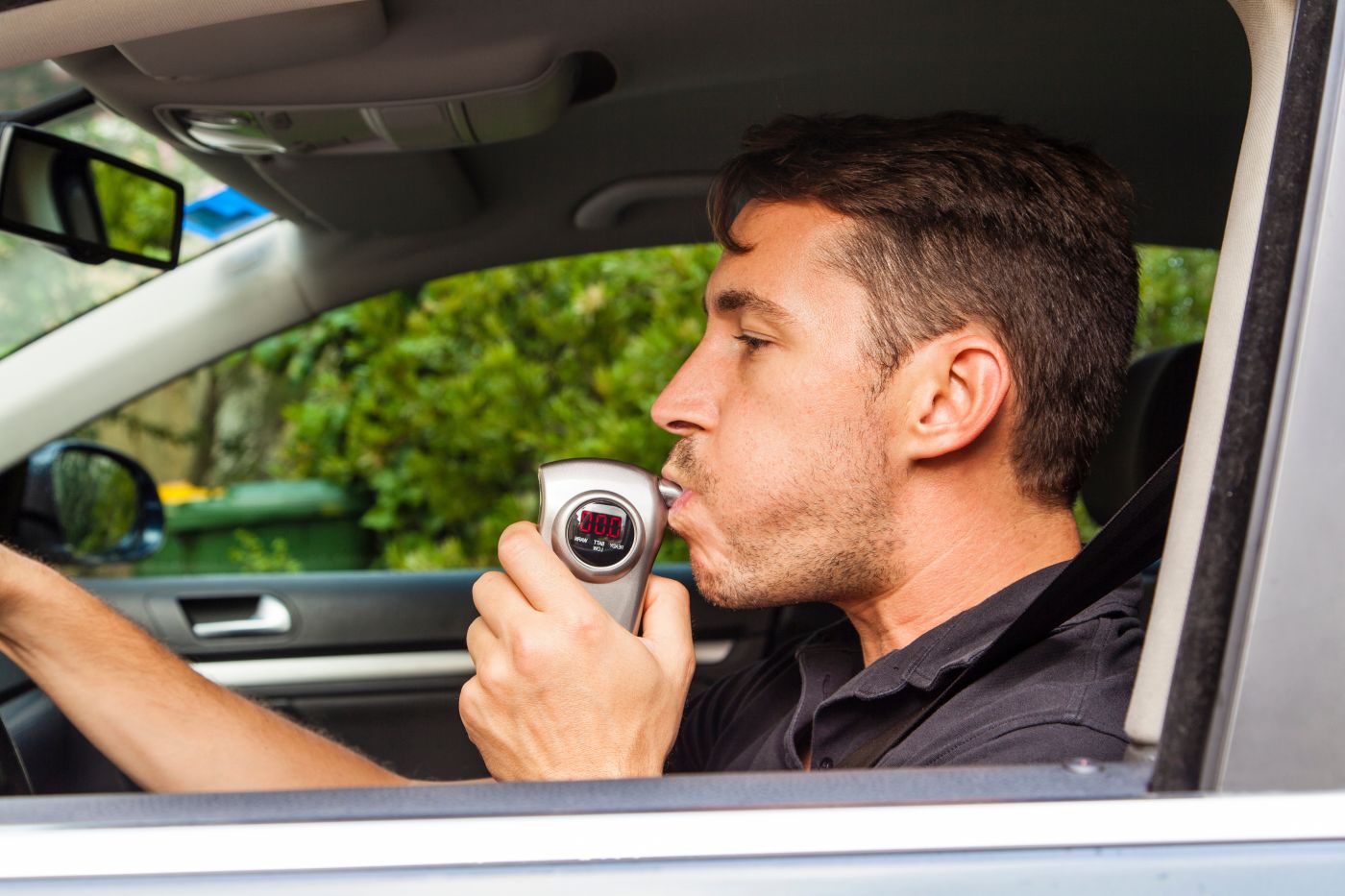
Breathalyzer machines estimate your blood alcohol content based on the amount of alcohol in your breath. While these devices are widely used, they aren’t infallible. Like any precision instrument, they require regular calibration to remain accurate.
Calibration involves adjusting the machine to the known standards so that its readings reflect the driver's true BAC. Without proper calibration, the results can be skewed, sometimes showing a higher BAC than is actually present. Even small calibration deviations can make the difference between a passing and failing test. This underscores the importance of accurate maintenance.
Law enforcement officers are trained to follow specific procedures when administering a breath test, but mistakes can happen. Machines can malfunction, calibration logs may be incomplete, and operators may overlook maintenance schedules. Even minor errors can significantly affect the results, which may allow you to challenge the test results in court.
Even if your breath test shows a BAC over the legal limit, several types of evidence may cast doubt on its accuracy, especially when calibration is in question. An experienced DUI attorney can help you gather and present evidence that highlights potential errors and procedural issues. Some examples of evidence that may be relevant include the following:
Calibration records: Documentation showing whether the machine was calibrated according to the manufacturer’s schedule. Inaccurate or missing logs can raise serious doubts when presented in court.
Maintenance history: Evidence that the device wasn’t properly maintained may indicate unreliable readings.
Operator errors: Instances where the officer didn’t follow testing procedures correctly may invalidate the results.
Environmental factors: Conditions such as the temperature, humidity, or recent consumption of substances other than alcohol may affect the readings.
Medical conditions: Certain health conditions, such as acid reflux or diabetes, can produce false positives on a breath test.
While not every piece of evidence will apply in every case, carefully reviewing the circumstances of the test can reveal which issues would most likely challenge the breath test effectively. Collecting records, analyzing machine data, and examining procedural details can all play a critical role in building a defense against potentially flawed test results.
Even if a breathalyzer machine is functioning properly, procedural mistakes by law enforcement can undermine the reliability of the results. Officers are expected to follow strict protocols when administering a test, including observing the subject for a specific period, using a certified machine, and documenting each step accurately.
Failing to follow these steps can undermine the credibility of the test results in court and may create grounds to challenge the evidence. Carefully examining how the test was administered can reveal inconsistencies or mistakes that could affect the outcome of a case.
Some common procedural errors include improper observation periods, where the officer didn’t monitor the individual for the required 15–20 minutes before testing, and incorrect use of the machine, which can produce unreliable results. Incomplete documentation, such as missing or inconsistent notes, can also affect the credibility of the test results.
Failure to calibrate the machine is also a significant concern, especially when valid calibration logs aren’t available to confirm its accuracy. Identifying and documenting these types of errors can play a critical role in disputing the reliability of a breath test and supporting your defense.
In addition to challenging the breath test itself, other evidence may also strengthen your DUI defense. While each case is unique, combining multiple forms of evidence can raise reasonable doubt about the reliability of the BAC results. Some examples of additional supporting evidence include the following:
Witness testimony: Passengers, bystanders, or other drivers may provide context about your driving behavior or sobriety.
Field sobriety test results: If performed incorrectly or inconsistently, these tests may contradict the breath test results.
Video recordings: Dashcam or bodycam footage may show behavior that is inconsistent with impairment.
Alternative BAC measurements: Blood tests, if obtained shortly after the traffic stop, may indicate a different BAC than the breath test reading.
Analyzing all the available evidence together can often show how each piece may challenge the prosecution’s case. Compiling and presenting this information effectively can help you challenge the test results, and reviewing details such as calibration logs, officer notes, and test procedures can provide critical insights that support your defense.
Facing a DUI charge can be intimidating, especially when it involves a potentially faulty breath test. The legal and personal consequences can be significant, from fines and license suspension to long-term impacts on your record.
Whether you need assistance with reviewing calibration records, identifying procedural errors, or gathering supporting evidence, Attorney Brian J. Lockwood can help you challenge unreliable breath test results through clear, supportive legal guidance.
Located in Mobile, Alabama, the firm serves clients throughout the surrounding areas. Contact Brian J. Lockwood LLC today to schedule a consultation and take the first steps toward defending your rights following a DUI charge.