Can You Suppress a Breath Test in DUI/DWI Cases?
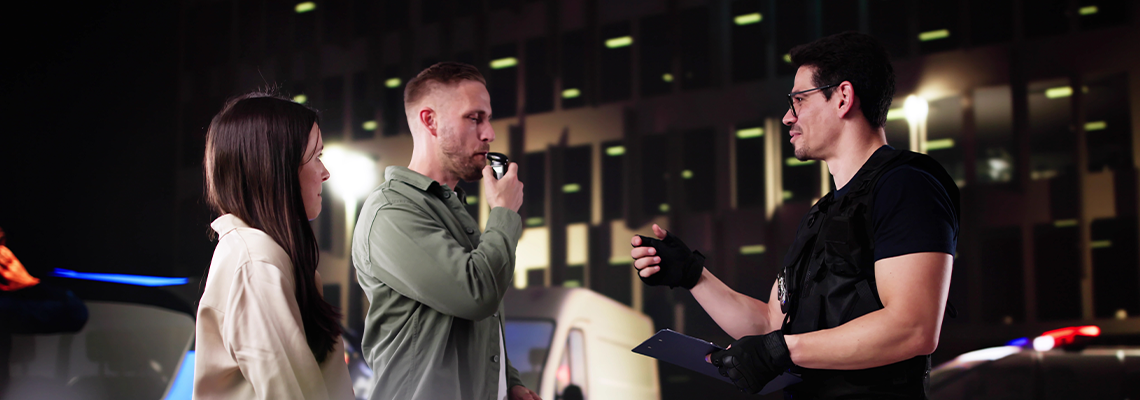
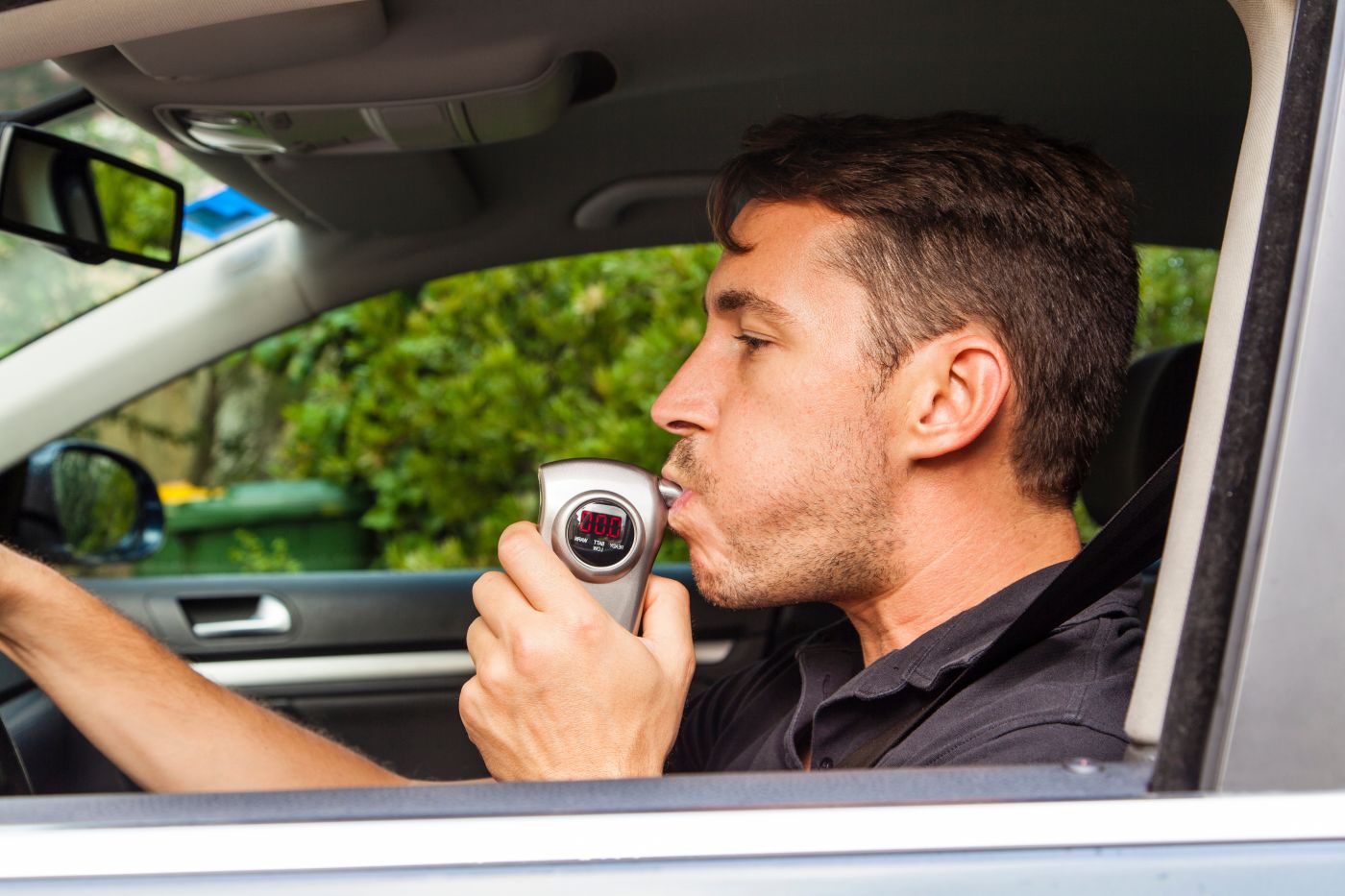
Alabama uses two primary types of breath tests in DUI investigations: preliminary breath tests (PBTs) and evidentiary breath tests. PBTs are typically administered at the roadside using handheld devices to establish probable cause for an arrest.
These results are not admissible in court, but they often lead to further testing. Once a driver is arrested, law enforcement officers use more sophisticated machines, such as the Draeger Alcotest 7110 MKIII-C, to produce results that can be introduced as evidence in court.
The accuracy of these machines depends on many factors, including maintenance, calibration, operator training, and compliance with Alabama Department of Forensic Sciences regulations.
When someone is arrested for driving under the influence in Mobile, Alabama, one of the most crucial pieces of evidence the prosecution will rely on is the breath test result. These tests are often treated as conclusive proof of intoxication, but in fact, they can be challenged. Attorney Brian J. Lockwood of Brian J. Lockwood LLC understands that defending against DUI or DWI charges requires a careful analysis of every aspect of the case, especially the reliability and legality of the breath test.
The Fourth Amendment to the U.S. Constitution and Article I, Section 5 of the Alabama Constitution protect citizens from unlawful searches and seizures.
A breath test constitutes a search, meaning it must comply with constitutional requirements. If law enforcement fails to follow these rules, the evidence obtained — including breath test results — may be excluded from trial.
Attorney Brian J. Lockwood’s criminal defense approach in DUI cases often begins by examining whether there was probable cause for the traffic stop. If the stop was based on insufficient grounds or an illegal checkpoint, the breath test results may be deemed inadmissible.
Similarly, if an officer coerced a driver into taking the test without explaining their implied consent rights under Alabama Code § 32-5-192, suppression could be warranted.
Another key procedural issue is whether the officer properly observed the defendant for the required 20-minute observation period before administering the test. This rule is designed to prevent contamination of the sample due to residual mouth alcohol from substances like mouthwash, breath mints, or even acid reflux.
When this observation period is skipped or shortened, Attorney Brian J. Lockwood uses it as a strong argument in criminal defense motions to suppress.
Every DUI case is unique, but there are several recurring reasons why Alabama courts may suppress breath test results. Through years of criminal defense experience, Attorney Brian J. Lockwood has identified several factors that frequently lead to the exclusion of this critical evidence.
Here is a list of common reasons a breath test might be suppressed:
Improper calibration or maintenance: If the machine used was not calibrated according to Alabama Department of Forensic Sciences standards, its results may be unreliable.
Operator error: Only certified officers are permitted to administer evidentiary breath tests. Untrained or improperly certified operators can invalidate results.
Violation of the 20-minute observation rule: Skipping or shortening this period raises doubt about contamination of the sample.
Medical conditions: Conditions such as GERD or diabetes can produce false positives by introducing alcohol-like compounds into the breath.
Illegal stop or arrest: If the initial traffic stop or arrest violated constitutional rights, any subsequent breath test may be suppressed.
Failure to advise of implied consent: Drivers must be informed of their rights and the consequences of refusal under Alabama’s implied consent statute.
Contaminated or interfered sample: Substances such as breath spray, recent vomiting, or certain diets can affect results.
Lack of chain of custody documentation: Without proper recordkeeping, it becomes impossible to verify that the test result corresponds to the correct defendant.
Each of these issues can serve as the foundation of a criminal defense motion to suppress, which, if successful, can severely weaken the prosecution’s ability to prove intoxication.
Many people assume breath testing devices measure the actual alcohol concentration in the blood, but they don’t. Instead, they measure alcohol in the breath and use a conversion ratio to estimate blood alcohol content (BAC).
The standard ratio — 2100:1 — assumes that every 2100 milliliters of breath contains the same amount of alcohol as 1 milliliter of blood. However, this ratio varies between individuals depending on body temperature, lung capacity, and other biological factors.
Attorney Brian J. Lockwood understands that the science behind breath tests can be used to cast reasonable doubt in a criminal defense case.
For example, a person with a higher body temperature may register a higher BAC than someone with a lower temperature, even if both consumed the same amount of alcohol. Similarly, if the machine is not properly adjusted to account for environmental factors such as humidity or altitude, the readings may be skewed.
By working with scientific data and understanding the mechanics of the testing process, Attorney Brian J. Lockwood crafts detailed arguments that expose the weaknesses in the state’s evidence. In criminal defense, this kind of technical scrutiny can make the difference between conviction and acquittal.
Under Alabama’s implied consent law, drivers implicitly agree to submit to chemical testing when lawfully arrested for DUI. However, that consent is not absolute.
The law requires officers to inform drivers of their rights and the consequences of refusing a test. If the officer fails to do so, or if the arrest itself is unlawful, the breath test results may be inadmissible.
In his criminal defense practice, Attorney Brian J. Lockwood has handled numerous cases where officers skipped critical steps during the implied consent warning. The Alabama Court of Criminal Appeals has made clear that compliance with these procedures is essential. Without proper notice, a driver’s submission to testing cannot be considered voluntary.
When suppression is granted, the prosecution often loses its strongest evidence, which can lead to dismissal or reduced charges. This makes implied consent challenges a powerful tool in DUI criminal defense strategy.
Cross-examination is one of the most effective criminal defense tactics available in DUI cases. Attorney Brian J. Lockwood uses this opportunity to expose inconsistencies in officers’ statements and highlight procedural missteps.
For example, if the officer cannot recall the exact duration of the observation period or the calibration schedule of the machine, that testimony may cast serious doubt on the reliability of the test.
Similarly, cross-examining forensic technicians can reveal issues in machine maintenance or data recording.
Alabama requires detailed documentation of every test, including maintenance logs and operator certifications. If these records are incomplete or inaccurate, Attorney Brian J. Lockwood uses that information to argue for suppression of the results.
Every detail matters in criminal defense, and even small procedural lapses can provide the foundation for reasonable doubt.
Like all forms of evidence, breath test results must have a clear and documented chain of custody. This means that from the moment the test is performed until it is introduced in court, every person who handled the data or equipment must be identified. Breaks in this chain raise the possibility of tampering, error, or contamination.
Attorney Brian J. Lockwood examines the documentation trail closely. If the paperwork shows gaps, inconsistencies, or missing signatures, he argues that the breath test cannot be trusted.
Courts in Alabama take these procedural safeguards seriously because they protect the integrity of the judicial process. In criminal defense, even seemingly minor documentation errors can have major consequences for the outcome of a case.
Suppressing a breath test can be a turning point in a DUI case. Without a valid test result, the prosecution must rely on other forms of evidence such as officer observations, field sobriety tests, or witness statements. These forms of evidence are inherently subjective and less persuasive to a jury.
In many cases, once the breath test is excluded, prosecutors are more open to negotiating reduced charges or dismissing the case altogether.
Attorney Brian J. Lockwood often uses successful suppression motions as leverage in plea discussions or trial preparation. His criminal defense philosophy is centered on using procedural law to shift the balance of power back to the defendant.
Time is critical after a DUI arrest. Evidence such as dashcam footage, bodycam video, and maintenance logs can be lost if not requested promptly. Attorney Brian J. Lockwood encourages anyone facing DUI or DWI charges to seek criminal defense representation immediately. By acting quickly, he can preserve key evidence and file motions before deadlines pass.
Early intervention also allows him to analyze whether law enforcement complied with Alabama’s procedural rules. When these rules are violated, a well-prepared suppression motion can dismantle the prosecution’s case before it ever reaches trial. In criminal defense, timing and preparation often determine success.
A breath test result may seem like irrefutable evidence, but in Alabama, it is far from unassailable. Through careful analysis of procedure, constitutional law, and scientific reliability, Mr. Brian J. Lockwood of Brian J. Lockwood LLC has helped many clients challenge and suppress faulty breath test evidence.
Every DUI or DWI case presents opportunities for a strong criminal defense strategy, and suppression of the breath test often lies at the heart of that effort.
Whether the issue involves calibration errors, improper arrest procedures, or constitutional violations, Attorney Brian J. Lockwood is committed to uncovering the truth and holding law enforcement accountable.
For those facing DUI charges, understanding their rights and acting swiftly is essential. With dedicated representation from Attorney Brian J. Lockwood and a thorough criminal defense approach, it is possible to challenge the state’s evidence, protect one’s reputation, and move forward with confidence. Attorney Brian J. Lockwood is proud to serve Mobile, Alabama, and the surrounding communities. Call today.